Dr. Vikas Chopra is a highly experienced interventional cardiologist and heart specialist. He had done MD Medicine (PGI-Chandigarh) DM Cardiology (AIIMS) FSCAI (USA) , FESC (EUR). He is the Director Cardiology and Cath lab at Primus Super Speciality Hospital in Chanakyapuri. He has got Fellowship of Society of Cardiac Angiography and interventions from the USA. He also has got fellowship of European Society of Cardiology. He has 20 years experience in the field of interventional cardiology. He is an expert at difficult and complex multivessel angioplasties with special focus on radial artery interventions. He is proficient in noncoronary interventions including device closure of heart defects. In addition, he manages patients with rhythm abnormality and implants pacemakers and other devices. He is a member of numerous Cardiology organizations and has large volumes of research to his name which he has presented at various national and international conferences and journals.

- Call Us: 9811221112
- Email Us: Vikaschop@yahoo.co.in
Healthy Heart, Happy heart
Treating every cardiac problem
_11zon.jpeg)
MAKRAND HEART CARE
About Us
One of the best cardiology clinics in New Delhi, Makrand Heart Care. Clinic is visited by Dr. Vikas Chopra is a renowned interventional cardiologist who brings his over two decades of experience to provide best. The clinic offers a comprehensive range of services, including complex heart conditions like angina, myocardial infarction, hypertension and chest pain. With every visit of yours, all your vitals are monitored. The clinic monitors vital signs and believes that fundamental signs are an important aspect of healthcare. This aids in the early detection of health issues. The clinic holds expertise in coronary angiogram and angioplasty. Makrand Heart Care is a comprehensive provider of all services related to heart diseases.
Our Specialization

Cardiology

Clinical Cardiology

Interventional Cardiology
Our Healthcare Services
One stop solution for all heart conditions

Dr. Vikas Chopra
Interventional Cardiologist

- MBBS, MD (PGI, Chandigarh), DM - Cardiology (AIIMS, New Delhi), FSCAI (USA), FESC (EUR)
- 30.0 Years Of Experience
- Licence No. DMC 7448
- Call
- Video Call
- In person
Testimonials
What our Patients says about us
My wife developed a high heart rate, chest pain and ischemic symptoms. ECG taken outside had shown ischemic changes and inferior wall changes. We visited Dr Chopra immediately. He took ECG which was somewhat better than the previous one. Without relenting he took Echo, confirmed that there was no problem with heart except anginal pain. He apprised that only peripheral issues were there and everything was fine. His approach is plain and no unwanted alerts.

K. Kameswari
Half the problem is gone if your doctor listens to you patiently and makes effective communication with you. Dr. Vikas Chopra an interventional cardiologist is one of those patient doctors. His clinic is technically equipped to perform various heart tests on the spot giving patients instant reports on their ailments. Wonderful experience and highly recommended.
Madhup Mishra
I had been experiencing chest heaviness and short of breathing for the past 6-7 days. My landlord recommended dr. Vikas chopra for the consultation as he had good previous experience with Dr. Chopra. Doctor recommended me two basic heart checkups ECHO and trademill. These two are the basic checkups that is necessary to check heart health. The tests were done immediately and consultation were provided me immediately. The reports were normal and finally I was stress free that things are normal. Genuine doctor and also a very good soft spoken person. He is a very senior cardiologist in Primus hospital of Delhi.
Dhairya
Media Pictures







Frequently Asked Questions
Know your doctor better
What is the advantage of chest stress echocardiography?
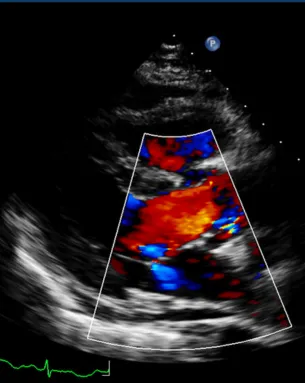
Chest stress echocardiography, also known as stress echo, is a diagnostic test that combines exercise or pharmacological stress with echocardiography (ultrasound imaging of the heart).Stress echocardiography helps assess how well the heart muscle functions during stress, aiding in the detection of coronary artery disease by identifying areas with reduced blood flow. Unlike coronary angiography, which involves inserting a catheter into the blood vessels, stress echocardiography is non-invasive. It does not require the use of radiation or exposure to X-rays. Overall, chest stress echocardiography is a valuable tool in the evaluation of cardiovascular health, offering a comprehensive and non-invasive approach to assess heart function and detect potential issues related to coronary artery disease. Pre-book an appointment with Dr. Vikas Chopra an interventional cardiologist and health specialist for online consultations or dental clinic visit, as convenient to you, by clicking on Book Appointment button on this website.
How can I book an appointment with Dr. Vikas Chopra an experienced cardiologist?
Pre-book an appointment with Dr. Vikas Chopra an interventional cardiologist and health specialist for online consultations or dental clinic visit, as convenient to you, by clicking on Book Appointment button on this website.
What is coronary angiogram?
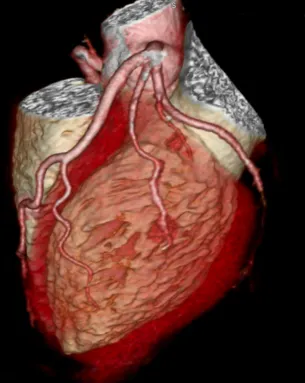
A coronary angiogram is a medical procedure used to visualize the blood vessels (coronary arteries) supplying the heart muscle. It is a type of X-ray examination involving the injection of a contrast dye into the coronary arteries, which makes them visible on X-ray images. This procedure helps healthcare professionals evaluate the presence of blockages, narrowings, or other abnormalities in the coronary arteries that may affect blood flow to the heart. Pre-book an appointment with Dr. Vikas Chopra an interventional cardiologist and health specialist for online consultations or dental clinic visit, as convenient to you, by clicking on Book Appointment button on this website.
Why do I need pacemaker?
A pacemaker may be recommended for various reasons, primarily if you have issues with your heart's rhythm. When the heart beats too slowly, a pacemaker can help regulate and maintain a normal heart rate. The condition disrupts the electrical signals between the atria and ventricles of the heart. A pacemaker ensures these signals are transmitted properly, preventing delays or blocks. Certain irregular heart rhythms may be treated with a pacemaker to stabilize the heart's electrical activity. In some cases of heart failure, a pacemaker, along with other devices, may be used to coordinate the heart's contractions and improve its efficiency. Pre-book an appointment with Dr. Vikas Chopra an interventional cardiologist and health specialist for online consultations or dental clinic visit, as convenient to you, by clicking on Book Appointment button on this website.
What is the role of pacemaker?
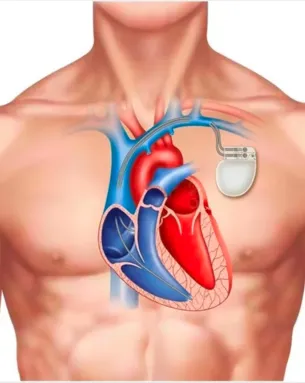
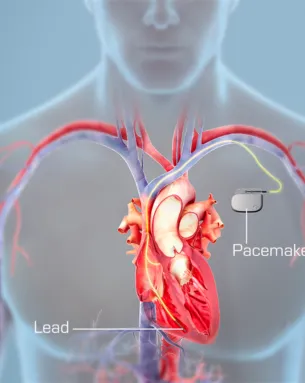
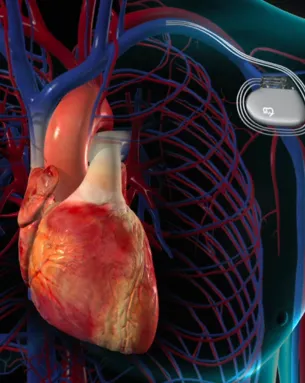
A pacemaker is a small, implantable device that plays a crucial role in managing and regulating the heart's rhythm. It is typically used to treat conditions where the heart beats too slowly (bradycardia) or experiences irregular rhythms. The pacemaker consists of a pulse generator and leads that are placed in the heart. The generator emits electrical impulses, stimulating the heart to beat at a regular pace. This helps ensure an adequate and consistent blood flow throughout the body. Pacemakers are programmed to monitor the heart's activity and deliver electrical signals when needed. Pre-book an appointment with Dr. Vikas Chopra an interventional cardiologist and health specialist for online consultations or dental clinic visit, as convenient to you, by clicking on Book Appointment button on this website.
What is treadmill test?
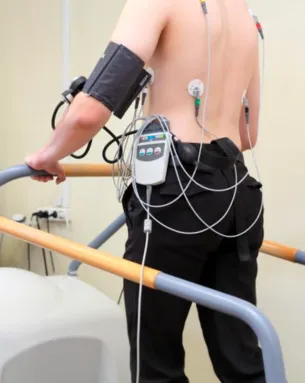
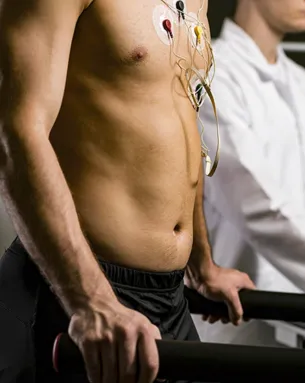
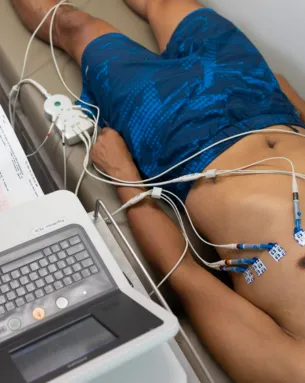
A treadmill test, also known as a stress test or exercise test, is a diagnostic procedure used to assess how well your heart functions during physical stress. During the test, you walk or run on a treadmill while your heart rate, blood pressure, and electrocardiogram (ECG or EKG) are monitored. The intensity of exercise gradually increases, and the test aims to provoke any underlying heart conditions, such as coronary artery disease, that may not be apparent at rest. The results help healthcare professionals evaluate the cardiovascular system's response to exertion, detect abnormalities, and determine the presence of conditions like angina or arrhythmias. Treadmill tests are valuable tools in assessing overall heart health and guiding further diagnostic or treatment decisions. Pre-book an appointment with Dr. Vikas Chopra an interventional cardiologist and health specialist for online consultations or dental clinic visit, as convenient to you, by clicking on Book Appointment button on this website.
Is lifestyle or general habits impact my heart condition?
Absolutely, lifestyle and general habits play a significant role in influencing your heart health. Factors such as regular exercise, a balanced and heart-healthy diet, maintaining a healthy weight, avoiding smoking, limiting alcohol intake, and managing stress can contribute to a positive impact on your cardiovascular system. Engaging in regular physical activity helps strengthen the heart, while a nutritious diet low in saturated fats and cholesterol supports overall heart health. Conversely, unhealthy habits like smoking can damage blood vessels and elevate the risk of heart disease. Pre-book an appointment with Dr. Vikas Chopra an interventional cardiologist and health specialist for online consultations or dental clinic visit, as convenient to you, by clicking on Book Appointment button on this website.
What is the treatment of rheumatic heart disease?
The treatment of rheumatic heart disease (RHD) involves a multi-faceted approach aimed at managing symptoms, preventing complications, and addressing the underlying cause. Antibiotics, such as penicillin, are crucial to combat streptococcal infections that trigger RHD. For those with established heart valve damage, medications like diuretics or beta-blockers may be prescribed to alleviate symptoms and reduce the strain on the heart. In severe cases, surgical intervention, such as valve repair or replacement, might be necessary. Additionally, long-term antibiotic prophylaxis is often recommended to prevent recurrent streptococcal infections and further damage. Management of RHD also involves lifestyle modifications, including regular follow-up care, physical activity restrictions, and a heart-healthy diet.Pre-book an appointment with Dr. Vikas Chopra an interventional cardiologist and health specialist for online consultations or dental clinic visit, as convenient to you, by clicking on Book Appointment button on this website.
What are the various types of chest pain?
Cardiac chest pain described as a tightness or pressure, it may radiate to the arm, neck, or jaw. Musculoskeletal chest pain due to muscle or joint strain, it typically worsens with movement. Gastrointestinal pain is caused due to issues like acid reflux, it may feel like burning or discomfort in the chest. Respiratory chest is most common and often caused by lung or pleura problems, it can range from sharp to dull. Chest pain can arise from anxiety or stress, it may be sharp or stabbing. Pre-book an appointment with Dr. Vikas Chopra an interventional cardiologist and health specialist for online consultations or dental clinic visit, as convenient to you, by clicking on Book Appointment button on this website.
Location & Location Map
 Address :F-80, Green Park Main, Landmark: Near Green Park Main Market, South West Delhi 110016, Delhi
Working Hours
MONDAYClosed
TUESDAYClosed
WEDNESDAYClosed
THURSDAYClosed
FRIDAYClosed
SATURDAYClosed
SUNDAYClosed